
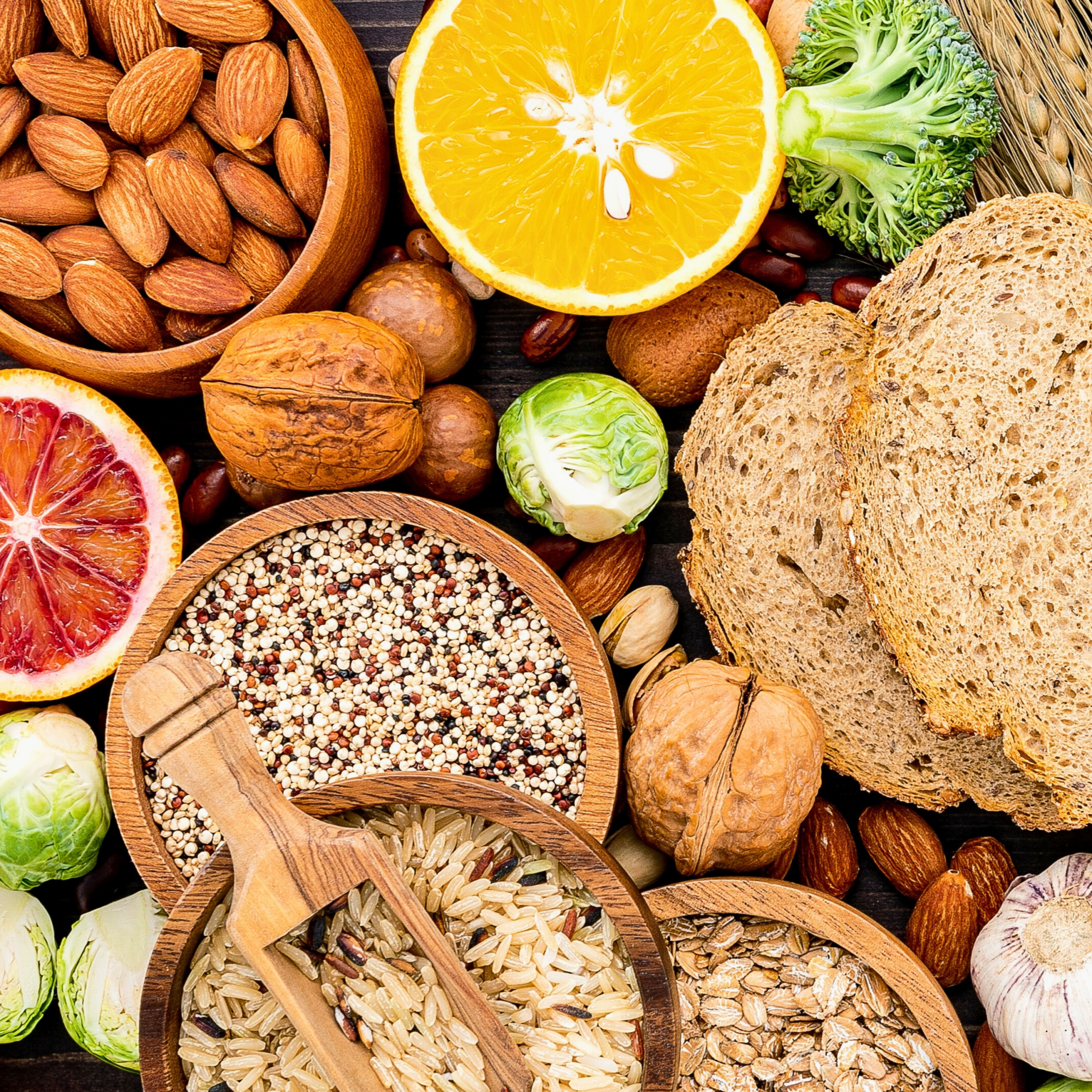
Feelings of stress, overwhelm, and anxiety are very common today. For many people, this can impact what they eat, what they crave, and how often they eat. But what you eat can also impact your stress and anxiety.
Research shows that what you eat can influence your nervous system, your stress hormones, your mood, and even how your brain and gut communicate with each other. Certain foods contain nutrients that support neurotransmitters, help regulate cortisol (your body’s main stress hormone), and promote steady blood sugar — all of which can make your body feel calmer and more balanced. And while no single meal can “cure” stress or anxiety, choosing whole, nourishing foods consistently gives your body a foundation to handle stress more resiliently.
First: Stabilize Blood Sugar
If you’re anxious, shaky, irritable, or crashing mid-afternoon, blood sugar swings may be adding fuel to the fire.
Low or rapidly dropping blood sugar triggers stress hormones like cortisol and adrenaline. That can feel exactly like anxiety.
Start here:
- Pair protein + healthy fat + fiber at every meal
- Avoid eating carbohydrates by themselves
- Don’t skip meals (especially if you’re already stressed)
Simple examples:
- Eggs + avocado + sourdough
- Greek yogurt + chia seeds + berries
- Apple + almond butter
- Salmon + quinoa + roasted vegetables
This foundation alone can calm the nervous system more than most people realize.
When You’re Anxious and Wired
If your body feels “amped up,” think magnesium, protein, and steady fuel.
Foods to prioritize:
- Pumpkin seeds
- Almonds and cashews
- Dark leafy greens
- Black beans
- Wild salmon
- Grass-fed beef
Magnesium supports muscle relaxation and helps regulate the stress response. Protein provides the amino acids your brain uses to make calming neurotransmitters.
A simple calming plate might look like:
Grilled salmon + sautéed spinach + sweet potato with olive oil.
Warm meals tend to feel more grounding than cold, grab-and-go foods when you’re overstimulated.
When You’re Overstimulated and “Fried”
This is the feeling of too many tabs open in your brain.
Here, we focus on:
- Easy-to-digest foods
- Warm, simple meals
- Less caffeine
- Fewer ultra-processed foods
Consider:
- Bone broth or simple soups
- Oatmeal with nut butter and cinnamon
- Rice with shredded chicken and vegetables
- Herbal teas like chamomile or lemon balm
These can help provide nourishment without overwhelming your digestive system.
When You’re Burnt Out and Exhausted
Burnout feels different. It’s not wired — it’s depleted.
This is where we support:
- Iron-rich foods
- B vitamins
- Omega-3 fats
- Consistent nourishment
Try:
- Grass-fed beef or lentils
- Sardines, Salmon, or Mackerel
- Pastured eggs
- Dark leafy greens
- Sweet potatoes
- Olive oil
And most importantly: eat enough.
Under-eating is common during stress. Chronic under-fueling can worsen fatigue, mood instability, and stress tolerance.
A Word on Caffeine and Sugar
When you’re anxious or overstimulated:
- Caffeine can amplify symptoms
- Sugary foods can spike and crash blood sugar
That doesn’t mean “never.” It means to notice how your body responds.
Many people feel significantly calmer simply by reducing caffeine during high-stress seasons.
Gentle Add-Ons
In addition to meals:
- Stay hydrated
- Consider probiotics that help support both mood and your gut
- Consider a short-term supplement that can relieve feelings of occasional anxiety within an hour
- Consider using a vitamin B complex to help support stress and fatigue
The Bigger Picture
Food won’t solve burnout by itself. It won’t erase anxiety overnight.
But it can:
- Stabilize your stress response
- Support neurotransmitter production
- Reduce blood sugar–driven anxiety
- Help your body feel safe again
When your nervous system feels like it’s constantly on edge, consistent nourishment is one of the most powerful first steps.
Need one-on-one diet and health support?
Get the best personalized, comprehensive care that addresses root causes instead of symptom management.
- Improve your quality of life
- Achieve your healths goals
- Pay as little as $0 with insurance