

When we think about joint health, it is easy to think of joints as simply wearing down over time.
But your joints are living, active tissues. Cartilage, bone, muscles, tendons, ligaments, and synovial fluid all work together to keep you moving.
And your joints don’t exist in isolation.
From a functional nutrition perspective, joint health is influenced by many factors throughout the body, including inflammation, movement, nutrition, metabolic health, and even the health of your gut.
Whether you are looking to maintain healthy joints as you age or already experience occasional stiffness or discomfort, here are five ways to support your joints from the inside out.
1. Build an Anti-Inflammatory Eating Pattern
Your overall eating pattern can influence inflammation throughout the body. Rather than focusing on one “superfood,” think about building meals around a variety of nutrient-dense, minimally processed foods.
A Mediterranean-style eating pattern is one example. It emphasizes:
- Colorful vegetables and fruits
- Beans and lentils
- Whole grains
- Nuts and seeds
- Extra-virgin olive oil
- Fish and other sources of omega-3 fats
- Herbs and spices
At the same time, it helps to minimize highly processed foods, refined carbohydrates, sugary beverages, and heavily processed meats.
Research on dietary patterns and osteoarthritis suggests that Mediterranean-style and other lower-inflammatory eating patterns may support joint symptoms, mobility, and markers of inflammation. The evidence is still developing, but the overall pattern makes sense for whole-body health as well.
Think less about a “joint health diet” and more about an eating pattern that gives your body the nutrients it needs while supporting a healthy inflammatory response.
2. Keep Your Body Moving
When joints hurt or feel stiff, it can be tempting to move less. But regular movement is one of the most important things you can do for joint health.
Exercise helps strengthen the muscles that support your joints, maintain mobility, and improve physical function. Movement also helps circulate synovial fluid, the fluid that helps lubricate and nourish your joints.
The goal isn’t necessarily intense exercise. Walking, swimming, cycling, strength training, yoga, tai chi, and other forms of movement can all have a place in a joint-friendly routine.
For someone dealing with joint pain or stiffness, the best exercise is often the one that feels manageable enough to do consistently.
Clinical guidelines for osteoarthritis consistently identify exercise as a key part of managing joint symptoms and maintaining function.
Start where you are. A little movement is often better than avoiding movement altogether.
3. Support a Healthy Weight Without Focusing on the Scale
Weight and joint health can be a complicated topic. From a whole-person nutrition perspective, the goal isn’t to promote dieting, restriction, or a particular number on the scale.
Instead, focus on the habits that support your overall health.
Adequate nutrition, regular movement, quality sleep, stress management, and stable blood sugar all contribute to metabolic health. These factors can matter for joint health, too.
For people living with osteoarthritis who have a higher body weight, research shows that even modest weight changes can improve symptoms and physical function. But joint health should never be reduced to weight alone. Strength, fitness, nutrition, inflammation, previous injuries, activity levels, and genetics all play a role.
A functional approach asks:
What does your body need to feel stronger, move more comfortably, and function well?
That question can lead to much more sustainable changes than simply focusing on the number on the scale.
4. Don’t Forget Your Gut
Your gut may seem far removed from your knees, hips, or hands, but emerging research suggests there may be an important connection between the gut and joint health.
The gut-joint axis describes the relationship between the gut microbiome, the immune system, inflammation, and joint tissues.
Changes in the gut microbiome, sometimes called dysbiosis, may influence systemic inflammation and immune activity. Researchers are continuing to investigate how these changes may relate to osteoarthritis and other joint conditions.
This is one reason a functional nutrition approach looks beyond the joint itself.
Supporting your gut can start with simple habits:
- Eat a variety of plant foods
- Gradually increase dietary fiber
- Include prebiotic foods such as onions, garlic, asparagus, oats, beans, and legumes
- Include fermented foods if you tolerate them
- Stay hydrated
- Limit highly processed foods
- Address digestive symptoms rather than simply ignoring them
We are still learning exactly how the gut microbiome influences joint health but supporting a diverse and healthy gut is beneficial for overall health regardless.
5. Consider Targeted Nutrients for Additional Support
Food and lifestyle habits provide the foundation for joint health. Supplements can sometimes be used as an additional layer of support when appropriate.
Three supplements we commonly discuss for joint support include:
Glucosamine & Chondroitin
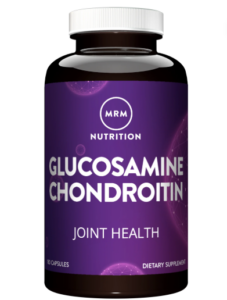
Glucosamine and chondroitin are naturally occurring compounds found in connective tissues and cartilage. They help maintain the cushioning between joints, supports synovial fluid production for smoother joint movement, and support reduced joint stiffness and improved range of motion with continued use. *
For those interested in trying glucosamine and chondroitin, MRM Glucosamine 1500 mg/Chondroitin Sulfate 1200 mg provides both in a single formula and in clinically studied dosages.
Curcumin & Boswellia
Curcumin, a compound found in turmeric, and Boswellia are two botanicals that have been studied for their potential role in supporting a healthy inflammatory response and managing occasional discomfort. *
Curaphen® by EuroMedica combines curcumin with other ingredients designed to support healthy inflammatory and pain-response pathways. The manufacturer uses BCM-95® curcumin along with Boswellia, a formulation designed to improve curcumin absorption and has been shown in research to support mobility, comfort, and improved walking distance. *

Collagen
Collagen is a major structural protein found throughout the body, including in cartilage, tendons, ligaments, bones, and other connective tissues.
Multisource Collagen by Foremost can be another option for people looking to provide nutritional support for connective tissue and joint health.

Note: Because supplements can interact with medications, particularly blood thinners such as warfarin, it is important to consider the full health picture before adding them.
Joint Health Is a Whole-Body Conversation
Healthy joints aren’t just about protecting cartilage. They depend on the tissues surrounding the joint, adequate nutrition, regular movement, metabolic health, and the body’s ability to regulate inflammation.
That’s why a functional nutrition approach looks at the bigger picture.
Instead of asking, “What can I take for my joints?”, it can be more helpful to ask:
“What is happening throughout my body that could be affecting my joint health?”
Your food choices, activity, gut health, sleep, stress, and targeted nutrition can all become pieces of that bigger picture.
And you don’t have to change everything at once. Start with one area that feels realistic for you, build from there, and remember that supporting your joints is a long-term investment in staying active and doing the things you enjoy.
Interested in personalized nutrition support? At Natural Wellness Corner, our nutrition practice takes a whole-person approach to nutrition and wellness. We can help you look at your diet, lifestyle, digestive health, metabolic health, and individual nutritional needs to create practical strategies that fit your life.
*These statements have not been evaluated by the FDA. This product is not intended to diagnose, treat, cure or prevent any disease

